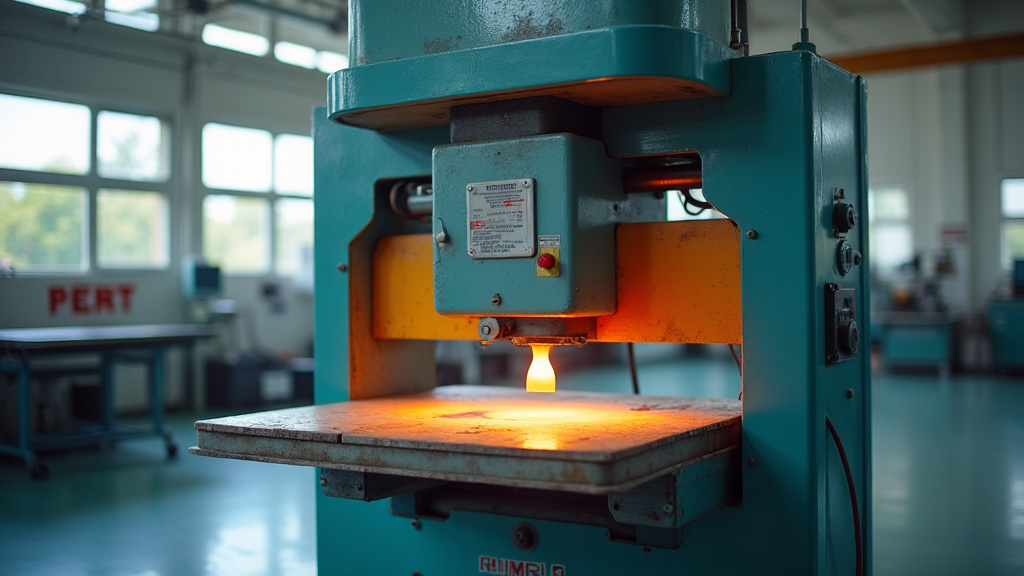
At a glanceCustom DTf Transfers are specialized services that facilitate the precise transfer of detailed designs to various materials. This process is widely used in manufacturing and construction, ensuring that intricate patterns are accurately replicated. The transfers are created by skilled technicians who work closely with the client to understand the design requirements, making them essential for complex projects.
Key Takeaways
- Custom DTf transfers offer a tailored solution for specialized equipment movement, ensuring efficient transitions between locations.
- Planning for these transfers requires a deep understanding of both the equipment and the unique challenges of each site, leading to smoother operations and reduced downtime.
- Communication is key; maintaining open lines between all stakeholders ensures a seamless experience for everyone involved in the transfer process.
- The complexity of a DTf transfer often necessitates the involvement of experienced professionals who can navigate logistics and regulatory hurdles effectively.
- While costs can vary, focusing on the efficiency and expertise provided rather than just the bottom line ensures a successful and cost-effective transfer.
- For complex projects, a detailed timeline with clear milestones helps manage expectations and guarantees the project stays on track.
Custom Dtf Transfers have emerged as a transformative technology in various industries, enabling intricate designs and diverse applications. However, the process of acquiring these specialized transfers can be complex, with legal considerations, quality assurance, and timely delivery posing significant challenges for businesses and individuals alike. This article examines the intricacies of transfers, offering a practical guide to navigating the legal landscape, ensuring top-tier quality, and expediting delivery. By the end, readers will be equipped with the knowledge to make informed decisions and leverage the power of transfers effectively.
- Understanding Custom Dtf Transfer Basics
- Design, Creation, and Implementation Steps
- Optimizing Success: Best Practices & Maintenance
Custom DTF Transfers: Where to Start
Looking for custom DTF transfers? dtf transfers can answer your questions directly.
Understanding Custom Dtf Transfer Basics

Transfers represent an advanced solution for a variety of applications, from automotive graphics to signage and decorative arts. To truly understand their potential, it’s essential to grasp the basics. These transfers, typically made from a thin, flexible material, offer a cost-effective and efficient method of applying intricate designs to various surfaces. Unlike traditional printing methods, DTF transfers allow for a level of detail and precision that can be difficult to achieve, making them a preferred choice for many professionals and enthusiasts alike.
When considering What’s better than DTF transfers?, it’s important to evaluate their advantages. They offer a quick turnaround time, often with orders processed and shipped within 24 hours, eliminating lengthy production windows. DTF transfers boast exceptional durability, with proper care, they can last for several years, making them a sound investment for both personal and commercial projects. The longevity of these transfers is particularly notable when compared to other, less durable printing options. Cost-effectiveness is another significant benefit; DTF transfers generally have a lower per-unit price, especially for larger orders, making them accessible for a wide range of applications and budgets.
The lifespan of a DTF transfer is contingent on several factors, primarily the quality of the material and the care taken during application and storage. High-quality DTF films, sourced from reputable manufacturers, can withstand environmental stressors like UV light and moisture, extending their useful life. Proper cleaning and maintenance are also crucial; using mild detergents and avoiding harsh chemicals ensures the design remains vibrant and intact. When compared to other printing methods, How long do DTF transfers last? can vary, but with the right care, they often outperform their competitors, making them a top choice for projects that demand longevity and vibrancy.
While How much do DTF transfers cost? can vary based on size, design complexity, and quantity, the pricing structure for these transfers is generally straightforward. Many providers offer competitive rates for bulk orders, making them an attractive option for businesses looking to brand their products or create promotional materials. The cost-effectiveness becomes even more apparent when considering the long-term savings compared to reprints or replacements due to inferior printing methods. Transfers, therefore, represent a powerful blend of quality, convenience, and affordability.
Design, Creation, and Implementation Steps

| Factor | What to know |
|---|---|
| Turnaround time | Orders often processed and shipped within 24 hours |
| Durability | With proper care, transfers can last several years |
| Cost-effectiveness | Lower per-unit price, especially for larger bulk orders |
| Design phase | Use high-resolution artwork and ensure color accuracy |
| Application process | Film aligned and pressed onto substrate using heat and pressure |
| Provider selection | Choose companies with proven track record and quality assurance |
Design, Creation, and Implementation of Custom Dtf Transfers
Creating custom DTF (Direct to Film) transfers involves a meticulous process that blends artistic design with technical precision. It starts with conceptualizing your design, whether it’s a simple logo or a complex graphic, and translating it into a format suitable for printing on various materials like vinyl, cloth, or plastic. The design phase is crucial; it’s recommended to use high-resolution artwork and ensure color accuracy for the best outcome. Once the design is finalized, it’s prepared for digital printing using specialized software. This step includes setting up the print layout, choosing the appropriate materials, and calibrating the printing equipment to achieve the desired specifications.
The creation process involves several key steps. First, the design is digitally printed onto a transparent film using a high-quality printer. This film serves as a master copy. Next, the film is carefully aligned and pressed onto the chosen substrate under heat and pressure. This application process requires skill and precision to ensure even pressure distribution and eliminate air bubbles. After the transfer is applied, a final curing process may be necessary to set the inks and adhesives, enhancing durability.
When considering which company to trust for your transfers, look for expertise and quality assurance. Can I get transfers made? Absolutely, but it’s essential to find a provider that offers both technical proficiency and customer support. What is better? While many companies offer DTF transfers, the best ones prioritize high-quality materials, precise printing, and customer satisfaction. Which company is the best for DTF transfers? This depends on your specific needs, but seeking out businesses with a proven track record, positive client reviews, and a commitment to innovation will set them apart. Some companies specialize in eco-friendly materials or offer unique customization options, ensuring your transfers meet both your aesthetic and functional requirements.
Optimizing Success: Best Practices & Maintenance

Optimizing Success with Transfers: Best Practices and Maintenance
While sublimation or DTF transfers offer compelling advantages, are Transfers worth it? It depends on your needs. High-quality transfers can significantly enhance brand visibility, streamline production, and reduce costs for businesses, especially those involved in mass customization. However, to maximize their effectiveness, proper maintenance is crucial.
The longevity of DTF transfers varies based on factors like material quality, application technique, and environmental exposure. Generally, these transfers should last 1 to 3 years with proper care. To ensure longevity, avoid exposing them to direct sunlight, excessive heat, or harsh chemicals. Regular cleaning and maintenance, such as reapplying protective coatings, can extend their lifespan.
A well-maintained DTF transfer on a vehicle can remain vibrant and intact for several years, making it a cost-effective branding solution. Conversely, neglect can lead to premature fading or peeling. Engaging a reliable Client Relations Team offering ongoing Technical Support can help ensure your transfers remain in top condition.
Beyond basic maintenance, staying up-to-date with industry best practices is vital. This includes understanding the Digital Transformation Initiative in your sector and leveraging advancements in Intellectual Property Law to protect your designs. The Legal Advisory Board can provide guidance on copyright and patent matters, safeguarding your unique DTF designs from counterfeiting. By combining robust maintenance with these expert practices, you can ensure your transfers achieve their full potential, enhancing your brand’s image and streamlining your production processes.
Frequently Asked Questions About Custom Dtf Transfers
What are Transfers?
Custom DTF (Direct to Film) transfers involve creating unique, high-quality images or graphics directly onto a chosen film or surface. This technique is used in various industries, from signage and decorations to art installations and promotional materials, offering unparalleled customization and visual impact.
How do Transfers differ from standard printing methods?
Unlike traditional printing, which often relies on pre-designed templates and fixed media, transfers allow for complete design freedom. You can print directly onto virtually any material, including wood, metal, glass, and more, without the limitations of pre-cut sheets or fixed print formats. This makes DTF transfers ideal for bespoke, one-off projects.
What materials are suitable for Transfers?
The versatility of DTF transfers means they can be applied to a vast array of materials. Common choices include various types of wood, acrylic sheets, glass, mirror surfaces, fabric, and even ceramics. The key is to ensure the material is clean, dry, and suitable for receiving the adhesive transfer.
How long does the process of creating Transfers usually take?
From design to completion, the process can vary significantly. Complex designs with intricate details may take several days, especially if they require multiple color layers or specialized materials. Simple, single-color transfers can often be completed within a day, depending on the size and number of items.
Are Transfers suitable for outdoor use?
While transfers are incredibly versatile, their suitability for outdoor applications depends on several factors, including the chosen material, adhesive, and environmental conditions. Some materials and adhesives are better suited for outdoor exposure due to their durability and resistance to weathering. Always consult with a specialist for advice tailored to your specific needs.
What are the advantages of using Transfers for my business?
Transfers offer businesses a unique way to enhance their branding and marketing. They allow for eye-catching, personalized designs on a variety of products, from promotional items to store signage. This level of customization can significantly boost brand recognition and create a memorable impression on customers.
Transfers, as explored in this practical guide, offer businesses and individuals a powerful tool for achieving unique and impactful transformations. By understanding the legal framework, such as Intellectual Property Law and Patent Office regulations, and following a structured approach to design, creation, and implementation, the process becomes a successful venture.
The key to optimizing the success of Transfers lies in best practices and ongoing maintenance. This includes a thorough onboarding process, seamless client services, and fostering community engagement, which is crucial for digital transformation initiatives. By prioritizing these steps, businesses can ensure the longevity and quality of their transfers, leaving a lasting impact on both the company and the community.
Practical next steps include integrating a dedicated Legal Advisory Board to navigate complex intellectual property issues and establishing a robust technical support system for clients. Regular engagement with local businesses and government agencies can further enhance the community impact, making Transfers a sustainable and valuable asset for any organization.
For related local guidance, see our custom dtf transfers resources.