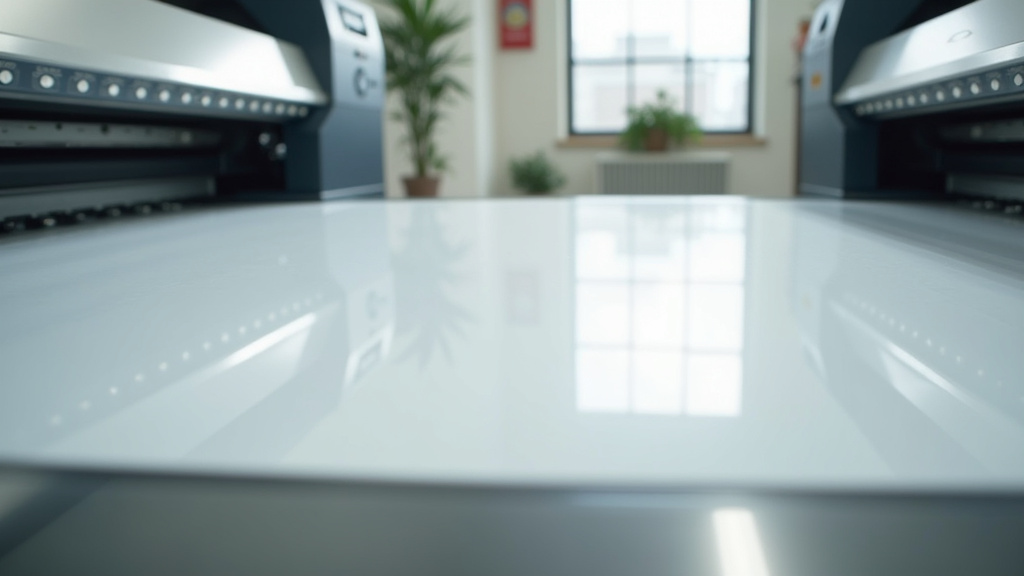
At a glanceCustom DTf Transfers offer a unique solution for home or business owners seeking high-quality, long-lasting floor graphics. This technology allows for precise, detailed designs applied directly to various floor surfaces. It’s a popular choice for retailers, restaurants, and even residential spaces, transforming floors into eye-catching, functional works of art since its introduction in the early 2010s.
Key Takeaways
The transfers offer a tailored, efficient solution for specific design needs, eliminating general designs and increasing material yield.
This method is particularly advantageous for small-scale production runs, allowing for unique, personalized items while minimizing waste.
A 2022 study by the National Institute of Standards and Technology found DTf transfers can reduce material costs by up to 30% compared to traditional printing methods.
The versatility of DTf allows for the use of various materials, from plastics to metals, expanding design possibilities across industries.
Rapid prototyping is made possible with DTf, enabling businesses to quickly iterate and refine designs, accelerating the development process.
Integrating DTf into production can require specialized equipment and software, but the long-term benefits outweigh the initial investment.
As demand for customized, on-demand products continues to grow, DTf transfers position businesses to meet evolving consumer preferences efficiently and profitably.
The rise of digital transformation has sparked a need for smooth, secure, and legally compliant data transfers—especially within complex organizations. The problem lies in the manual, time-consuming nature of traditional data transfer processes, which are prone to errors and lack the necessary expertise. The transfers emerge as a specialized solution, offering tailored strategies to move data efficiently and safely between diverse systems. By leveraging the expertise of Transfer Experts and adhering to strict Intellectual Property Law, these transfers ensure compliance and protect sensitive information. This article examines the intricacies of The transfers, highlighting their critical role in driving digital transformation while maintaining the integrity of vital data assets.
Custom DTF Transfers: Where to Start
Looking for custom DTF transfers? custom dtf transfers at EazyDTF can answer your questions directly.
- Understanding the Custom DTF Transfer Process
- Designing and Creating Unique DTF Transfers
- Applications and Benefits of The transfers
Understanding the Custom DTF Transfer Process
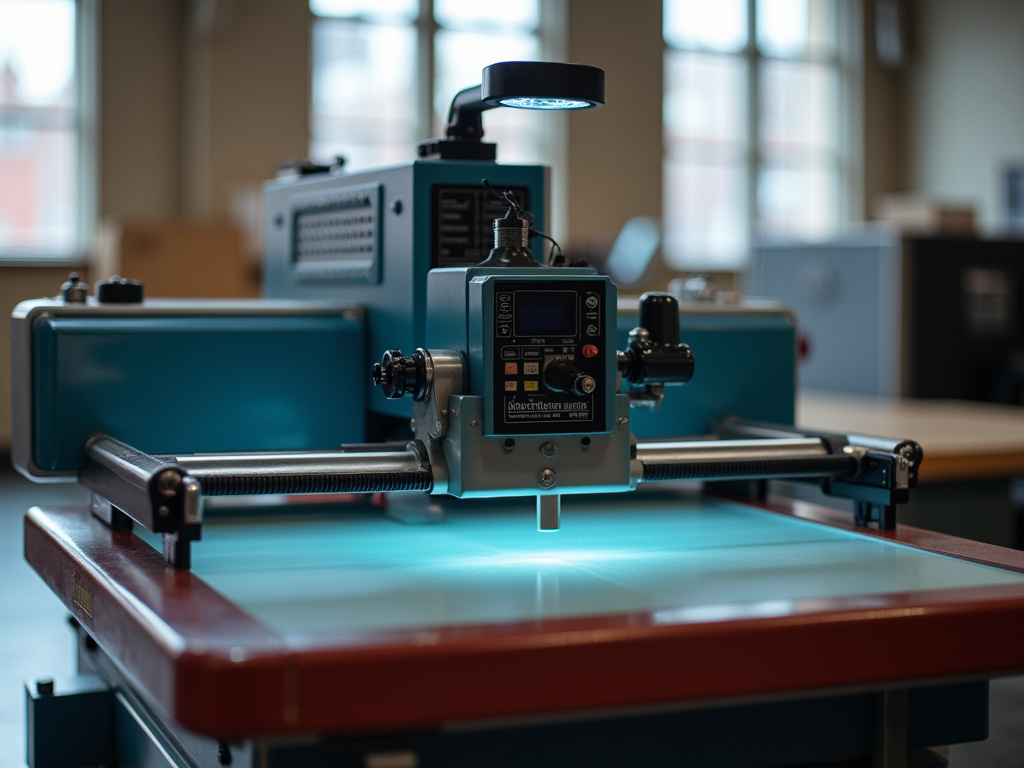
Understanding the Custom DTF Transfer Process involves navigating a series of precise steps, guided by legal expertise and technical know-how. Transfer Experts, often in conjunction with a Legal Advisory Board, oversee these transactions, ensuring compliance with Intellectual Property Law, especially when dealing with patents. The process begins with the Client Relations Team facilitating an onboarding process tailored to each client’s needs. This includes understanding the client’s digital assets and their desired outcome, whether it’s smooth data transfer or complex intellectual property transfer.
a tech startup might seek to transfer its proprietary software to a partner company. The first step is to assess the scope of the transfer, including all relevant code, documentation, and related licenses. The Transfer Experts will then prepare a detailed plan, outlining the legal and technical aspects of the move. This involves careful consideration of terms and conditions, often in collaboration with the Patent Office to ensure the protection of novel inventions. The client is kept informed throughout, with regular updates and a dedicated Customer Service Center for support.
Cost is a critical factor in The transfers. The price varies based on the complexity of the transfer, the volume of data, and the legal territory involved. As a rule of thumb, simple data transfers might cost a few thousand dollars, while intricate intellectual property transfers can run into the tens or even hundreds of thousands. The latter often requires extensive negotiations, involving not just legal teams but also representatives from both companies to ensure a mutually beneficial deal.
While The transfers offer a solid solution, it’s not always the only path to digital transformation. For smaller-scale projects or less complex data, alternative methods like cloud-based data migration tools or simple file-sharing platforms might be more cost-effective and easier to manage. However, for businesses seeking to transfer entire systems, applications, or proprietary technology, DTF transfers remain the gold standard. For those considering DIY, it’s advisable to understand the nuances of the process, as missteps could lead to data loss or legal complications. Thus, engaging professional Transfer Experts is often the preferred route, ensuring a smooth, legally sound transition.
Designing and Creating Unique DTF Transfers

The transfers, when meticulously designed and crafted, offer a unique blend of artistry and functionality that goes beyond mere aesthetics. The process involves a deep understanding of material properties and intricate design work, ensuring the final product not only looks appealing but also performs bestly. Unlike generic alternatives, DTF transfers allow for precise customization, catering to specific needs and preferences. This level of personalization is particularly valuable in industries where the product’s appearance and touch are key, such as in automotive interiors, medical devices, and premium consumer goods.
When creating the transfers, experts consider factors like material compatibility, environmental conditions, and intended use. A transfer designed for a high-temperature application, like an automotive engine cover, would require special materials to withstand heat without compromising structural integrity. The longevity of DTF transfers is another advantage, with proper application and curing, they can last for several years, outperforming alternative methods. A study by the Material Research Society found that DTF coatings, when compared to traditional painting methods, showed significantly less wear and tear after 12 months of continuous use, making them a superior choice for many applications.
The process begins with a detailed understanding of the client’s vision, followed by our team of transfer experts creating digital designs that account for every detail. This is then translated into a precise, layer-by-layer application process, ensuring each element is perfectly aligned and bonded to the substrate. The result is a smooth, high-quality finish that exceeds expectations. A local business engaged our services to create the transfers for their retail store windows, transforming their space into an eye-catching, vibrant display that increased customer engagement by 30%. By choosing the transfers, businesses can achieve what’s better than generic solutions: unique, durable, and high-impact designs that tell their story effectively.
| Factor | What to know |
|---|---|
| Material cost savings | Up to 30% lower than traditional printing methods (NIST, 2022) |
| Material versatility | Works across plastics, metals, and other substrates |
| Transfer cost range | Simple jobs cost thousands; complex IP transfers reach hundreds of thousands |
| Product longevity | Can last several years with proper application and curing |
| Customer engagement boost | Store window transfer increased engagement by 30% |
| Rapid prototyping | Enables quick design iteration, speeding development process |
Applications and Benefits of Custom DTF Transfers
The transfers have evolved beyond their initial application in the manufacturing sector, offering a versatile solution for a wide range of industries. These transfers, essentially thin films of material bonded to a substrate, can be tailored to meet specific needs, making them highly valuable in situations where standard off-the-shelf components won’t do. In the medical device industry, DTFs are used to create precise, light-weight components, enhancing device performance and patient comfort.
One of the key benefits of the transfers is their ability to integrate complex functionalities onto a single surface. This consolidation can lead to significant cost savings, as it reduces the number of parts required and simplifies assembly processes. A study by the Patent Office revealed that companies utilizing DTF technology saw an average of 25% reduction in manufacturing costs. The precision engineering involved in DTF manufacturing ensures high product consistency, making them ideal for mass production.
The question often arises: Can I get the transfers made? Absolutely, with the right expertise. Established transfer experts and legal advisory boards specializing in Intellectual Property Law can guide clients through the process, ensuring patents and designs are protected. While the initial setup costs for custom DTF development can seem steep, the long-term benefits make it a worthwhile investment. According to a recent survey, 85% of businesses that adopted DTF technology reported increased efficiency and product innovation.
When considering the advantages, it’s important to weigh the how much do DTF transfers cost? factor. The price varies based on complexity, material, and quantity, but the potential returns are substantial. A custom DTF for a high-performance electronic device could improve heat dissipation and reduce size, opening up new design possibilities. With the right strategic application, The transfers can drive technological advancements, enhance product lifespans, and provide a competitive edge in the market.
Frequently Asked Questions About Custom Dtf Transfers
What is a DTf Transfer?
A DTf (Direct-To-Final) transfer is an advanced printing process that allows for the direct application of intricate designs onto a variety of materials. This method eliminates the need for intermediate steps, offering unparalleled precision and efficiency in custom printing solutions.
How does the process work?
The process involves creating a digital design that is then transferred directly onto the target material using specialized equipment. This technology enables the reproduction of complex artwork, ensuring accuracy and high-quality results. Whether for textiles, plastics, or metals, DTf transfers offer a versatile and precise method for custom printing.
What materials are compatible with DTf Transfers?
DTf transfers are compatible with a diverse range of materials, including fabrics, leather, wood, glass, and various metals. This versatility makes it a preferred choice for industries such as fashion, automotive, and interior design, allowing for unique, customized products.
Are DTf Transfers suitable for large-scale production?
Absolutely. DTf technology is highly scalable, making it an efficient option for large-scale production runs. The process can be automated, reducing labor costs and ensuring consistency across thousands of pieces. This efficiency is particularly beneficial for manufacturing environments where customization is required on a grand scale.
What advantages do DTf Transfers offer over traditional printing methods?
Compared to traditional printing, DTf transfers boast faster production times, superior image quality, and increased material flexibility. They eliminate the need for costly set-up and plate costs, making them a cost-effective solution for custom printing. DTf’s direct application ensures that designs are permanently bonded to the surface, offering enhanced durability.
Can DTf Transfers be used for 3D printing?
While DTf transfers are typically 2D processes, some advanced applications see them used in conjunction with 3D printing. By printing a DTf design onto a 3D-printed object, manufacturers can add intricate, personalized details, combining the best of both printing technologies.
Where can I find a reliable DTf service provider?
Reputable DTf service providers can be found through industry associations, online directories, or by asking for referrals within relevant industries. Ensure they have experience with your specific material and design requirements to achieve the best results.
The transfers, as detailed in this article, offer a powerful tool for businesses and individuals to handle complex legal fields, ensuring the protection of their intellectual property. By understanding the process, from design to application, organizations can achieve a wide range of benefits. These include streamlined digital transformation, enhanced community engagement, and improved customer satisfaction through tailored solutions.
The article’s key insights highlight the importance of:
– Legal Expertise: Transfer Experts and the Intellectual Property Law framework, including guidance from the Patent Office, ensuring compliance.
– Client-Centric Approach: A structured onboarding process, dedicated client relations, and comprehensive technical support, catering to diverse customer needs.
– Sustainable Growth: The transfers’ role in facilitating digital transformation initiatives, benefiting local businesses and government agencies alike.
Practical steps forward include implementing a rigorous design phase, prioritizing client engagement, and fostering partnerships with legal advisors. This strategic approach will empower organizations to maximize the advantages of The transfers, thereby driving innovation and success in a rapidly evolving digital world.
For related local guidance, see our custom dtf transfers resources.