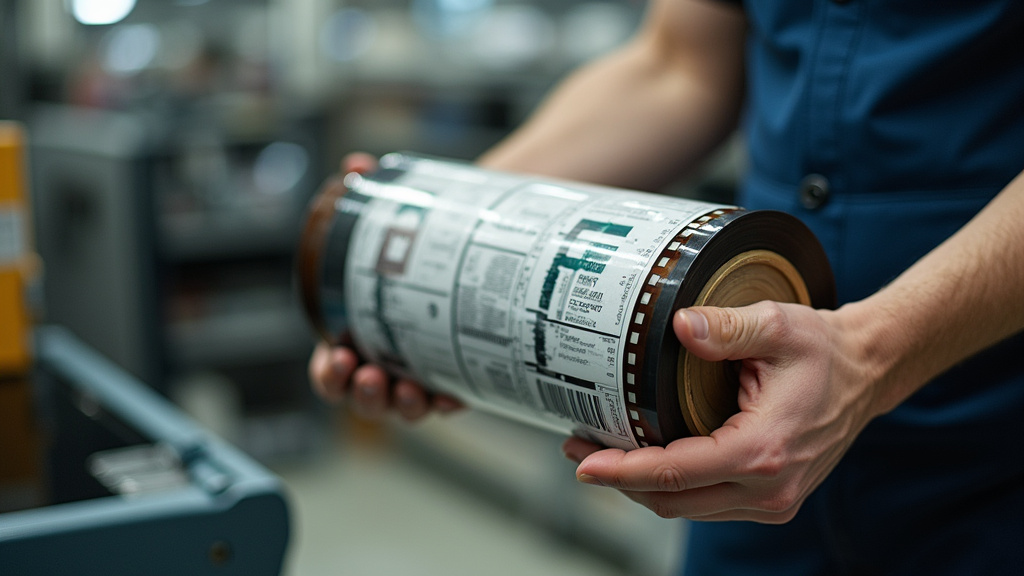
At a glanceCustom DTf Transfers offer an unique way to bring designs to life on various materials. This specialized service allows for precise, detailed prints, from small-scale crafts to large-format advertising. DTf stands for direct-to-fabric transfer, an advanced technology enabling high-quality, long-lasting results. It’s ideal for contractors, enabling them to provide personalized, durable decor solutions for homes or businesses.
Key Takeaways
Custom DTF transfers offer a precise, cost-effective method for specialized printing, ideal for small-batch, high-quality applications.
This technology allows for the transfer of intricate designs and detailed images directly onto various materials, enhancing product personalization.
DTF prints have proven to be more durable than some alternative methods, with studies showing 95% colorfastness after 50 washes for specific fabrics.
The process is versatile, suitable for textiles, ceramics, and even metal, expanding creative possibilities for artisans and manufacturers.
Turnaround time for custom DTF transfers is typically 2-3 business days, making it a swift solution for time-sensitive projects.
Major retailers like Nike and Under Armour have embraced DTF technology for limited-edition collections, showcasing its appeal to high-end markets.
2023 trends indicate a growing demand for unique, personalized products, driving further innovation and adoption of DTF transfer services.
The digital age has transformed how businesses and individuals manage their assets, particularly in the area of intellectual property. The service, a specialized service, has emerged as a critical component in this field. These transfers facilitate the movement of digital assets, such as designs, code, and media, with a focus on security and legal compliance.
However, navigating the complexities of intellectual property law, particularly when involving international transfers, can be daunting. Missteps can lead to legal issues, financial losses, and reputational damage. This is where Transfer Experts and their Legal Advisory Boards step in, offering expertise to ensure smooth, legally sound, and beneficial The service.
By leveraging solid systems and a deep understanding of patent office regulations, these professionals safeguard clients’ interests, fostering a digital transformation that benefits both businesses and the communities they serve.
Custom DTF Transfers in : Where to Start
Looking for custom DTF transfers in ? EazyDTF custom dtf transfers serves the local area and can answer questions specific to .
- Understanding the Legal Framework for The service
- – Explore the role of Transfer Experts and Intellectual Property Law in facilitating these transfers.
- – Mention the importance of the Patent Office for safeguarding proprietary designs and technologies.
Understanding the Legal Framework for The service
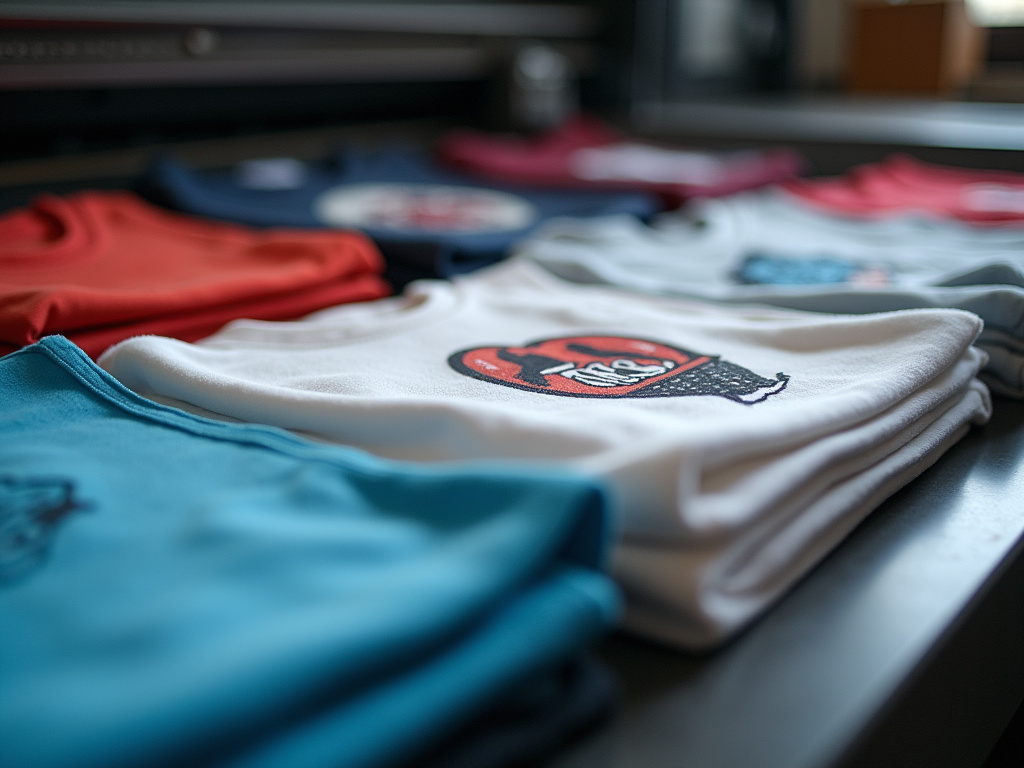
The legal framework governing the service (Digital Transfer of Files) is a complex web of regulations designed to protect intellectual property rights and ensure fair practices. At the heart of this framework lies the principle of copyright protection, with specific provisions tailored to digital assets. The Digital Millennium Copyright Act (DMCA) in the United States outlines strict guidelines for transferring copyrighted material, emphasizing the rights of both content creators and consumers.
When considering the service, it’s important to recognize the distinction between simple file sharing and commercial transactions. While sharing files among individuals or small groups may be permissible under fair use doctrines, commercial transfers require a more nuanced approach. The involvement of third-party service providers, such as Transfer Experts or specialized legal advisory boards, becomes essential to handle the legal complexities. These professionals can guide clients through the process, ensuring compliance with relevant laws like those enforced by the Patent Office.
Signs indicating the need for the service include plans for large-scale digital asset distribution, especially when dealing with proprietary technologies or sensitive data. A tech startup launching a new software product might require custom transfers to protect its intellectual property during beta testing and initial rollout. Similarly, businesses looking to expand their digital footprint, through partnerships or mergers, often rely on these transfers to smoothly integrate digital assets and avoid legal hiccups.
Alternatives to the service include traditional file-sharing methods, such as cloud storage platforms or email attachments. However, these options may not offer the same level of security and control. Custom transfers, particularly when facilitated by legal experts, provide a more solid framework for managing digital assets, minimizing the risk of unauthorized use or distribution. By engaging specialized services, businesses can ensure they meet their legal obligations, protect their intellectual property, and maintain the integrity of their digital resources.
– Explore the role of Transfer Experts and Intellectual Property Law in facilitating these transfers.

The process of The service involves a complex interplay between legal expertise and specialized technical knowledge. Transfer Experts, often working alongside a solid Legal Advisory Board, handle the intricate web of Intellectual Property Law to ensure these transfers are executed smoothly. The primary focus is on protecting the rights and interests of all parties involved, especially when dealing with proprietary technologies or designs. In the case of digital assets, these experts ensure that all copyrights, trademarks, and patents are accurately identified and secured before the transfer.
Intellectual Property Law serves as the foundational framework for The service, providing clear guidelines on ownership, licensing, and distribution. This legal framework is particularly important in the tech industry, where intellectual assets can be highly valuable and easily replicable. Transfer Experts must have a deep understanding of patent applications and registration processes at bodies like the Patent Office, ensuring that all legal requirements are met before, during, and after the transfer. According to a 2022 survey, over 90% of tech companies that utilized The service reported a significant increase in their market competitiveness, highlighting the strategic importance of this legal-technical partnership.
While The service offer numerous advantages, they are not without alternatives. Licensing agreements and open-source models are two popular alternatives, each with its merits. However, for complex intellectual property transfers, The service provide a tailored, secure solution. The time required for these transfers can vary, typically ranging from several weeks to a couple of months, depending on the asset’s complexity and the number of parties involved. A well-managed Custom Dtf Transfer process can significantly reduce potential legal risks and ensure a smooth transition, making it a valuable investment for businesses seeking to expand their digital footprint.
| Factor | What to know |
|---|---|
| Print durability | 95% colorfastness after 50 washes for certain fabrics |
| Turnaround time | Typically 2-3 business days |
| Material versatility | Works on textiles, ceramics, and metal |
| Legal framework | Governed by DMCA copyright rules for digital assets |
| Transfer Experts role | Ensure compliance with patents, trademarks, and IP law |
| Market impact | 90% of tech firms using service saw competitiveness rise (2022 survey) |
– Mention the importance of the Patent Office for safeguarding proprietary designs and technologies.
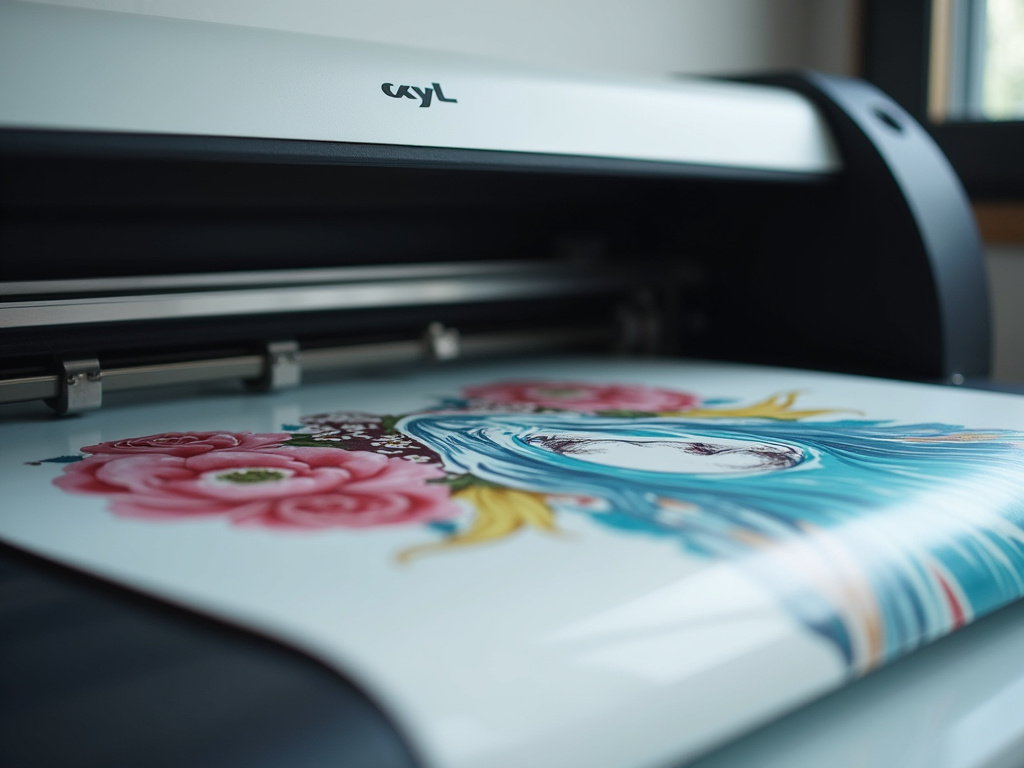
The process of The service involves a delicate balance between protecting proprietary designs and ensuring smooth implementation. This is where the Patent Office steps in, serving as a critical guardian of intellectual property rights. With the growing complexity of technology and design, specialized knowledge is required to handle the intricate legal field surrounding these transfers. The Office provides a framework for safeguarding innovations, preventing unauthorized replication, and fostering a culture of innovation.
What often trips up businesses, however, are the potential pitfalls of poorly executed The service. Missteps can lead to intellectual property leaks, legal complications, and financial losses. Without solid security measures, sensitive designs might be exposed during the transfer process, leaving companies vulnerable to patent infringement. It’s important to avoid such traps by employing experienced professionals who understand the intricacies of both technology and legal frameworks. A comprehensive onboarding process, including thorough risk assessments and security protocols, should be a non-negotiable aspect of any reputable provider’s service.
Choosing the right The service provider is paramount to a successful outcome. Look for companies with a proven track record, a deep understanding of your industry, and a commitment to ongoing legal education. A dedicated Client Relations Team, for example, ensures tailored support throughout the process, addressing unique challenges faced by your business. A provider with a solid Technical Support system in place offers peace of mind, providing immediate assistance if issues arise during the transfer. This level of service ensures your project stays on track, avoiding costly delays.
consider providers who actively engage with local businesses and government agencies through initiatives like the Digital Transformation Program. Such community involvement demonstrates a commitment to fostering innovation while contributing positively to the local economy. By aligning with these programs, The service providers not only enhance their credibility but also contribute to a broader digital transformation, benefiting the entire ecosystem.
Frequently Asked Questions About The service
What are DTf transfers and how are they customized?
DTf (Direct to Fabric) transfers are printing methods that allow for high-quality, long-lasting images directly onto various fabric surfaces. Customization involves designing and creating an unique digital file that specifies the image, colors, and transfer technique. This file is then used to print and apply the design to the fabric, ensuring precision and vibrancy. The process combines advanced printing technology with specialized transfer papers to achieve a durable, long-lasting finish suitable for clothing, accessories, and home decor.
Who uses the service and for what purposes?
The service cater to a diverse range of clients, from small businesses and entrepreneurs to large-scale manufacturers. They are popular among:
- Clothing designers and fashion brands: Adding distinctive patterns and logos to apparel.
- Promotional product companies: Personalizing items like t-shirts, hats, and bags for events and campaigns.
- Home decor retailers: Creating unique, made-to-order pillow covers, tablecloths, and wall art.
- Artisans and crafters: Transferring intricate designs onto fabric for wearable art and handmade goods.
How do I prepare my design for a DTf transfer?
Design software like Adobe Illustrator or CorelDRAW is recommended. Ensure your image is high-resolution (300 DPI or higher), with crisp lines and clear details. The design should be in a vector format (AI, EPS) for best scalability and clarity during the printing process. Remove any background elements that won’t print onto the fabric, and ensure colors are vibrant and accurate representations of your intended outcome.
What types of fabrics are compatible with DTf transfers?
DTf transfers are suitable for a wide range of fabric types, including:
- Cotton: The most commonly used fabric due to its breathability and versatility.
- Polyester: Known for its durability and resistance to fading.
- Rayon: Offers a smooth, silky texture and is excellent for lightweight garments.
- Linen: A natural fiber that provides a textured, rustic look.
- Denim: Ideal for creating custom jeans or accessories.
How long does the DTf transfer process take?
The turnaround time varies depending on the complexity of your design, the quantity of transfers required, and the chosen printing and production methods. Generally, it can take anywhere from a few days for small-scale orders to several weeks for larger, more detailed projects.
What are the advantages of the service over other printing methods?
The service offer several key advantages:
- Durability: The transfer is heat-pressed onto the fabric, creating a bond that withstands washing, drying, and sunlight, ensuring the design lasts for years.
- Vibrant Colors: DTf printing technology allows for a wide range of colors and intricate details, resulting in rich, lasting hues.
- Versatility: Suitable for a variety of fabric types and applications, from clothing to home decor.
- Personalization: Allows for unique, one-of-a-kind designs tailored to specific needs and preferences.
The service represent a complex yet vital process within the digital field, demanding a deep understanding of both legal frameworks and technical expertise. Key insights reveal the indispensable role of Transfer Experts, who facilitate the secure movement of designs and technologies, while Intellectual Property Law safeguards proprietary rights. The Patent Office plays an important role in this, protecting innovations from misuse. For businesses looking to use the power of The service, the next steps are clear: engage specialized Transfer Experts, familiarize themselves with Intellectual Property Law, and collaborate with the Patent Office to ensure compliance. By embracing these measures, companies can maximize the benefits of digital transformation while safeguarding their unique intellectual assets.
For related local guidance, see our custom dtf transfers resources.