Key Takeaways
- Custom DTf transfers offer a precise and efficient method for transferring detailed designs to various materials.
- This technique allows for high-quality, long-lasting prints with excellent color accuracy and detail retention.
- It’s particularly useful for small-batch production, prototyping, and personalized items, offering a cost-effective solution.
- The direct-to-garment process ensures a smooth, soft print, making it ideal for wearable items and promoting brand visibility.
- DTf transfers can be easily adapted for different fabric types, allowing for versatile application across diverse product lines.
- Investing in DTf technology can enhance productivity, reduce setup times, and offer a competitive edge in the market.
- With its user-friendly nature and precise results, DTf transfers are accessible to a wide range of creators and businesses.
At a glanceCustom DTf Transfers offer a unique way to create personalized designs on various materials. This technology enables you to print detailed images and text with precision, making it ideal for clothing, fabrics, and marketing materials. It’s a game-changer for businesses and creatives, allowing them to bring their visions to life with high-quality, durable results.
In today’s dynamic market, custom DTG (Direct to Garment) transfers have emerged as a game-changer for businesses seeking versatile, high-quality printing solutions. These precise, vibrant designs enable entrepreneurs to personalize a wide array of products, from apparel to accessories, catering to diverse consumer preferences. However, navigating the landscape of Custom DTG Transfers can be labyrinthine, with options ranging from amateurish to unreliable. This article serves as your authoritative guide, delving into the intricacies, highlighting best practices, and offering insights to ensure success in this dynamic printing realm.
Custom DTF Transfers in : Where to Start
Looking for custom DTF transfers in ? the team at EazyDTF serves the local area and can answer questions specific to .
Understanding Custom DTF Transfers: A Comprehensive Overview
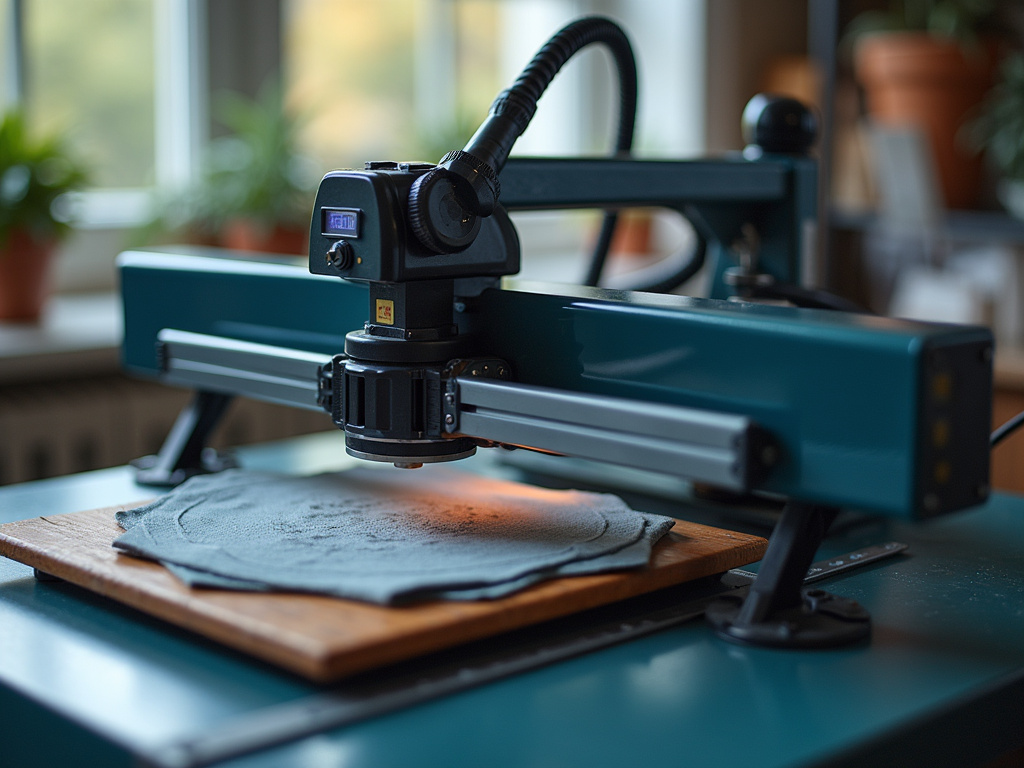
Custom DTF transfers have revolutionized the way businesses approach product customization. These digital printing solutions allow for incredibly detailed, full-color designs applied directly to a variety of materials – from clothing and accessories to home goods and more. This level of personalization is increasingly sought after by consumers, driving demand for high-quality, customizable products. Understanding how Custom DTF transfers work, their benefits, and the considerations involved in choosing a provider, is essential for businesses looking to capitalize on this trend.
Selecting the right Custom DTF transfer provider is crucial for achieving exceptional results. Quality varies significantly among providers, so thorough research is key. Start by evaluating their printing technology – inkjet or UV/LED – as each offers distinct advantages in terms of color accuracy, durability, and suitable substrates. Review customer testimonials and case studies to gauge their experience with different projects and materials. Inquire about minimum order quantities (MOQs) and turnaround times, ensuring they align with your business needs. Pricing structures also differ; some providers offer flat rates while others charge per square inch or by design complexity. Compare quotes transparently to find the best value for your budget.
Implementing Custom DTF transfers can be a strategic move for businesses looking to elevate their product offerings and engage customers. Consider using them for: limited-edition items, personalized gifts, branded merchandise with intricate designs, pop-up shop signage, or even custom art prints. According to industry reports, the global DTF printing market is projected to grow at a CAGR of 12% from 2022 to 2030, highlighting its increasing popularity. While initial setup costs may be higher than traditional printing methods, the flexibility and speed of Custom DTF transfers make it a compelling choice for modern businesses aiming to produce unique, on-demand products at scale.
The cost of Custom DTF transfers varies widely based on factors like provider, project scope, complexity, and quantity. On average, you can expect to pay between $5-$20 per square inch, with prices rising for more intricate designs or specialized materials. Some providers offer competitive pricing structures, especially for bulk orders, so comparing quotes from multiple vendors is essential. Remember that investing in high-quality Custom DTF transfers can lead to stronger brand recognition, increased customer satisfaction, and ultimately, greater profitability.
The Process: From Design to Production of Customized Prints
The journey from concept to creation is where the magic of custom DTG (Direct to Garment) transfers truly begins. This process involves a meticulous series of steps that transform digital designs into vibrant, lasting prints on various fabrics. It’s an art that combines cutting-edge technology with creative design choices. First, designers utilize specialized software to bring their ideas to life, ensuring the artwork meets specific technical requirements for printing. This phase demands attention to detail as even minor adjustments can significantly impact the final outcome. Once the design is finalized, it’s time to select the appropriate garment—a crucial step as different fabrics offer unique printing characteristics.
Production begins with preparing the print file, which involves setting up the design within the printer’s software. The DTG printer then precisely deposits ink onto the fabric, layer by layer, creating intricate and detailed images. This process is both science and art, requiring expert technicians to ensure optimal color accuracy, sharp edges, and even ink distribution. After printing, the garments undergo careful quality control checks to identify any imperfections before packaging and shipping.
When considering custom DTG transfers, it’s essential to ask the right questions. For instance, what level of detail and color accuracy do you require? Do you need rapid production times or are smaller, personalized orders more suitable? Understanding these needs will guide your selection of a provider. Researching their capabilities, print quality, and turnaround times is vital before entrusting your designs. Reputable providers should be able to offer guidance on file preparation and provide samples to ensure your vision materializes as intended.
| Factor | What to know |
|---|---|
| Printing technology | Inkjet or UV/LED, each offering distinct color accuracy and durability advantages |
| Pricing | Averages $5-$20 per square inch, varying by complexity and material |
| Market growth | Global DTF printing market projected to grow at 12% CAGR, 2022-2030 |
| Provider evaluation | Check testimonials, MOQs, turnaround times, and pricing structures |
| Applications | Limited-edition items, personalized gifts, branded merchandise, signage, art prints |
| Production process | Design creation, garment selection, print file setup, ink deposition, quality control |
Applications and Benefits: Revolutionizing Various Industries with DTF Transfers
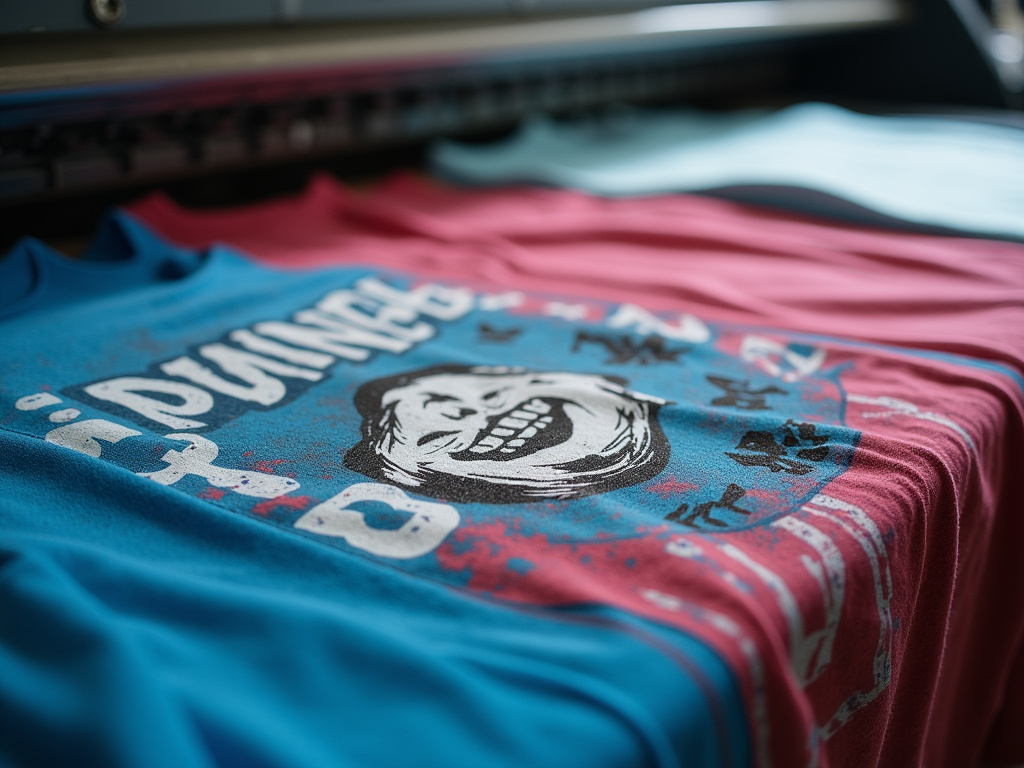
Custom DTF (Direct to Fabric) transfers have emerged as a game-changer across multiple sectors, offering a versatile and efficient printing solution. These transfers, when tailored to specific needs through Custom DTF Transfers, provide unparalleled flexibility and design possibilities. From fashion and apparel to signage and promotional items, the applications are vast. For instance, clothing manufacturers can swiftly adapt to unique design requests, ensuring they stay competitive in a fast-paced market.
One of the key benefits of Custom DTF Transfers is their ability to print on a variety of fabrics and materials, including cotton, polyester, and even synthetic blends. This versatility allows businesses to cater to diverse client demands without incurring high setup costs or long production times. Moreover, DTF transfers excel in reproducing intricate designs and detailed graphics with exceptional clarity, making them ideal for high-quality, personalized products.
However, navigating the realm of Custom DTF Transfers requires careful consideration. Users should steer clear of common pitfalls, such as subpar print quality, inadequate material choices, and slow turnaround times. To truly harness the potential of DTF transfers, businesses must ensure they meet specific technical requirements, like choosing the correct ink and substrate combinations, and understanding the printing process. By doing so, they can avoid problems and deliver exceptional results. In a market driven by rapid innovation and customer expectations, Custom DTF Transfers offer a strategic advantage, enabling businesses to stay ahead of the curve.
Frequently Asked Questions About Custom Dtf Transfers
What are custom DTf transfers?
Custom DTf (Direct to Fabric) transfers involve creating unique, digitally printed designs that are directly applied to fabric surfaces. This process allows for intricate and personalized artwork, making it ideal for various applications like clothing, home decor, and promotional products.
How do I prepare my design for a DTf transfer?
First, ensure your design is high-resolution (300 DPI or higher) and in a compatible file format (e.g., SVG, PNG). Then, remove any background elements and ensure the design is ready for printing. Simplifying and vectorizing your design can improve the final print quality.
What types of fabrics are compatible with DTf transfers?
DTf transfers work best on smooth, flat surfaces like cotton, polyester, and linen. Avoid fabrics with textures or embossing, as they can interfere with the printing process. Pre-treating the fabric with a suitable release agent is essential for a successful transfer.
Can I create multi-colored designs for DTf transfers?
Absolutely! DTf transfers support multi-colored designs, allowing for vibrant and detailed artwork. When designing, ensure proper color separation for each ink color to avoid blending. Testing on a small sample is recommended to ensure the colors align accurately.
Are there any limitations to the size of my DTf design?
The size limitation depends on the printer’s capabilities and the fabric being used. Generally, larger designs may require more time and specialized equipment. It’s best to consult with a professional DTf service provider to discuss your specific needs and constraints.
How long does the DTf transfer process take?
The turnaround time can vary based on the complexity of the design, the number of colors, and the fabric type. Simple designs may take a few hours, while more intricate ones could take a day or more. Communication with your print provider is key to understanding the estimated timeline.
What if I’m not satisfied with the final DTf transfer result?
If you’re unhappy with the outcome, discuss it with your DTf provider. They can offer guidance on design adjustments or suggest alternative printing methods. Remember, preparation and communication are vital to achieving the desired results.
Custom DTF Transfers have emerged as a powerful tool, revolutionizing various industries with their versatile applications. By understanding the comprehensive process, from design to production, businesses can harness the potential of these transfers to create unique, high-quality prints. The key insights highlight the accessibility and efficiency of Custom DTF Transfers, making them an attractive solution for diverse needs. Whether it’s enhancing merchandise, personalizing gifts, or transforming interior spaces, these transfers offer a dynamic approach to customization. Embracing this technology enables businesses to stay ahead in today’s competitive market, appealing to consumers who seek distinctive, tailored experiences.
For related local guidance, see our custom dtf transfers resources.